The Rise and Fall of the Junk Wax Era
How the hobby printed an estimated 81 billion baseball cards, then destroyed its own market
- Topps
- Fleer
- Donruss
The monopoly breaks
For 25 years Topps had baseball cards to itself. A July 1, 1980 antitrust ruling pried the license loose, and Fleer and Donruss entered the market in 1981 with sets of their own.
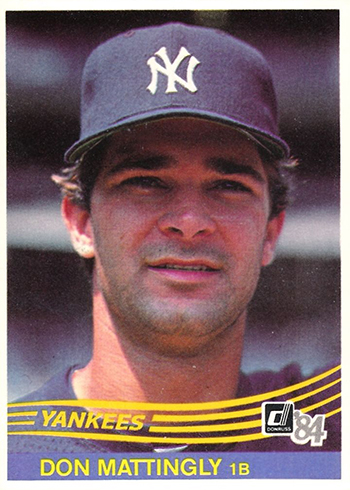
Three companies now chased the same shelf space. By 1984 the competition was in full swing, and the Donruss set that year carried a rookie the hobby still argues about, Don Mattingly, and the race to out-print each other was already on.
Cardboard becomes an investment
Collectors started treating cards like stock certificates. Beckett price guides landed on coffee tables, and a rookie that cost a fraction of a penny to print could be flipped for real money before the ink cooled.
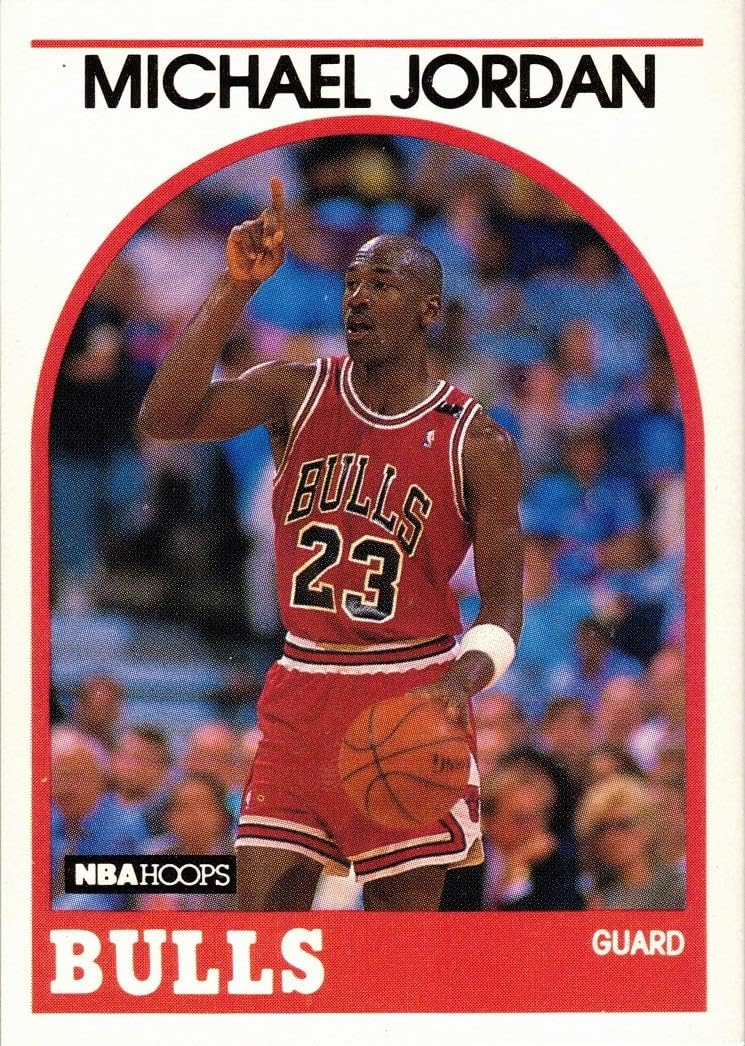
The 1986 Fleer Michael Jordan came out of $0.50 packs and turned basketball cardboard into a financial instrument. Card shops opened in strip malls in every mid-sized town in the country.
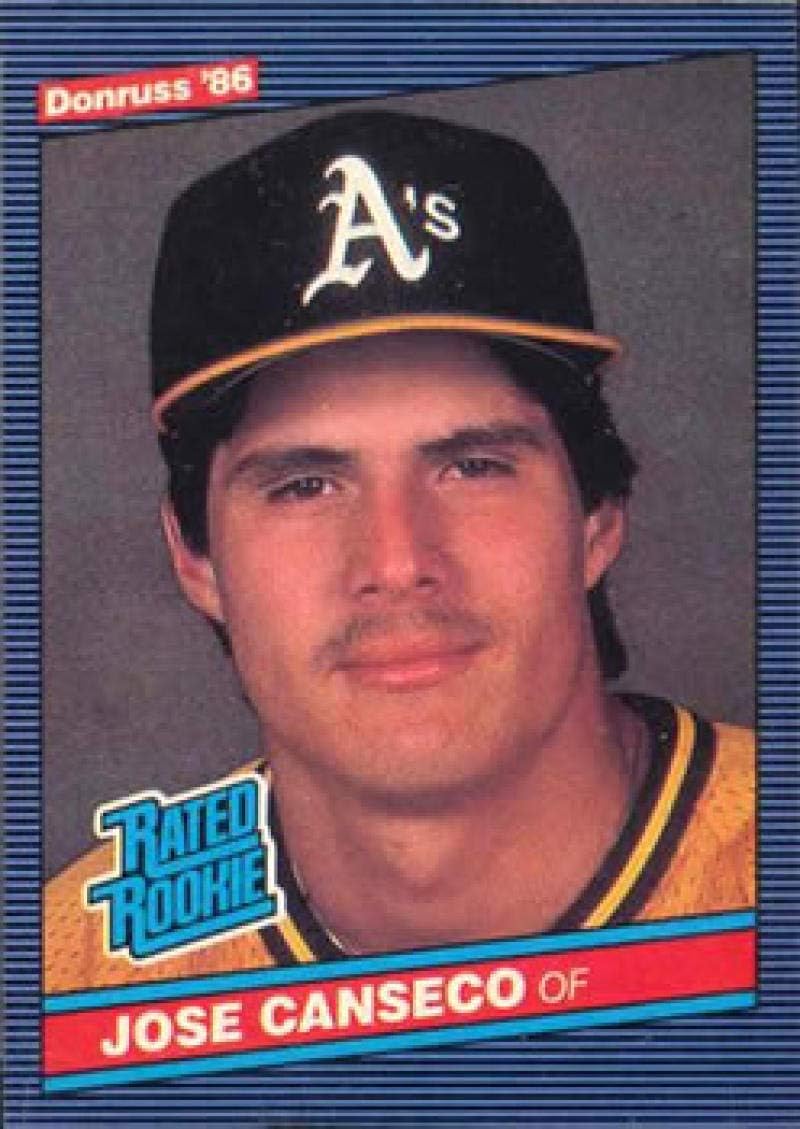
The 1986 Donruss Jose Canseco Rated Rookie became the single most-chased baseball card of the boom, a $0.02 print run the guides listed at real money.
The gold rush
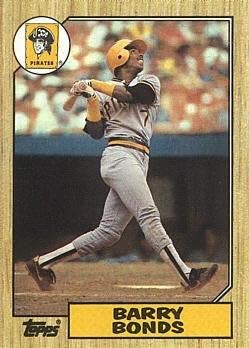
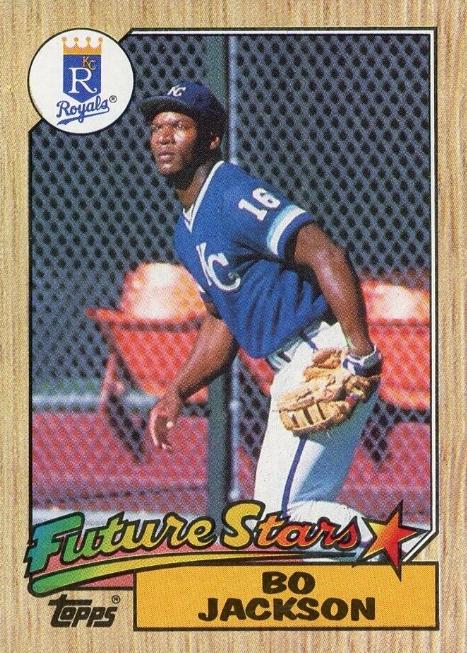
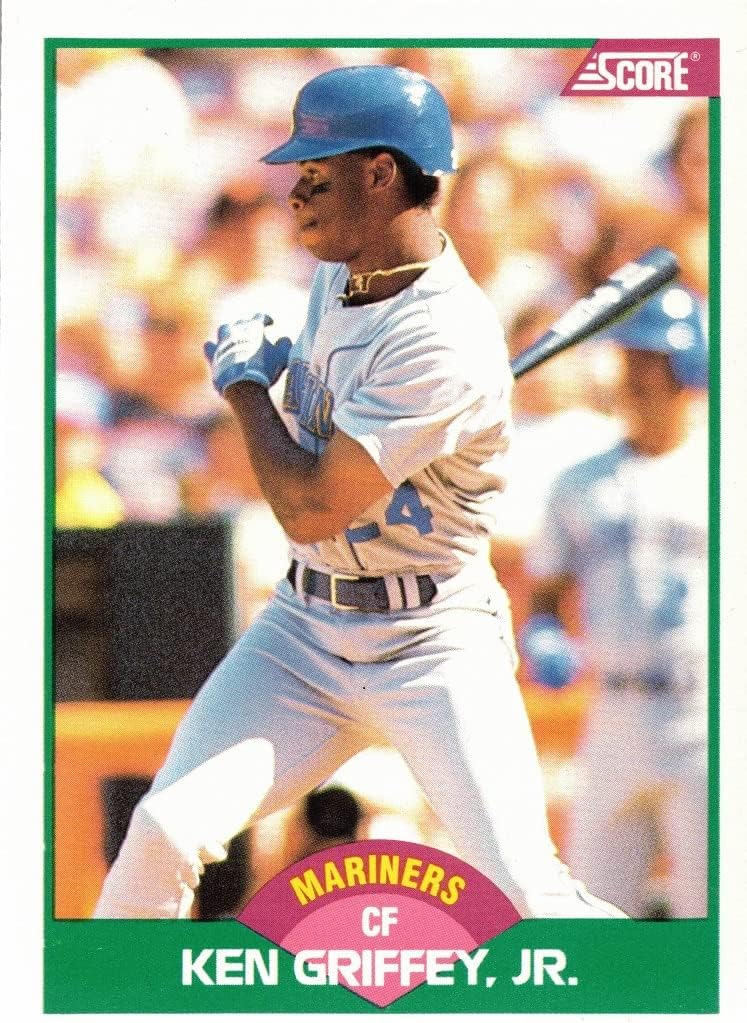
Every company printed as fast as its presses would run. Topps, Fleer, and Donruss were already flooding the shelves, and in 1988 Score arrived as a serious fourth major manufacturer, a full-scale competitor whose entry intensified the production race. Sportflics had launched 3D lenticular novelty cards in 1986, but that gimmick stayed a niche product and never printed at the scale of the major sets. The 1987 Topps set with its wood-grain border became the most overproduced flagship of the decade.
Wax packs turned up where cards had never been sold. Grocery checkout lanes, drug stores, gas stations, hardware counters. Supply had stopped answering to demand.
Upper Deck changes the game
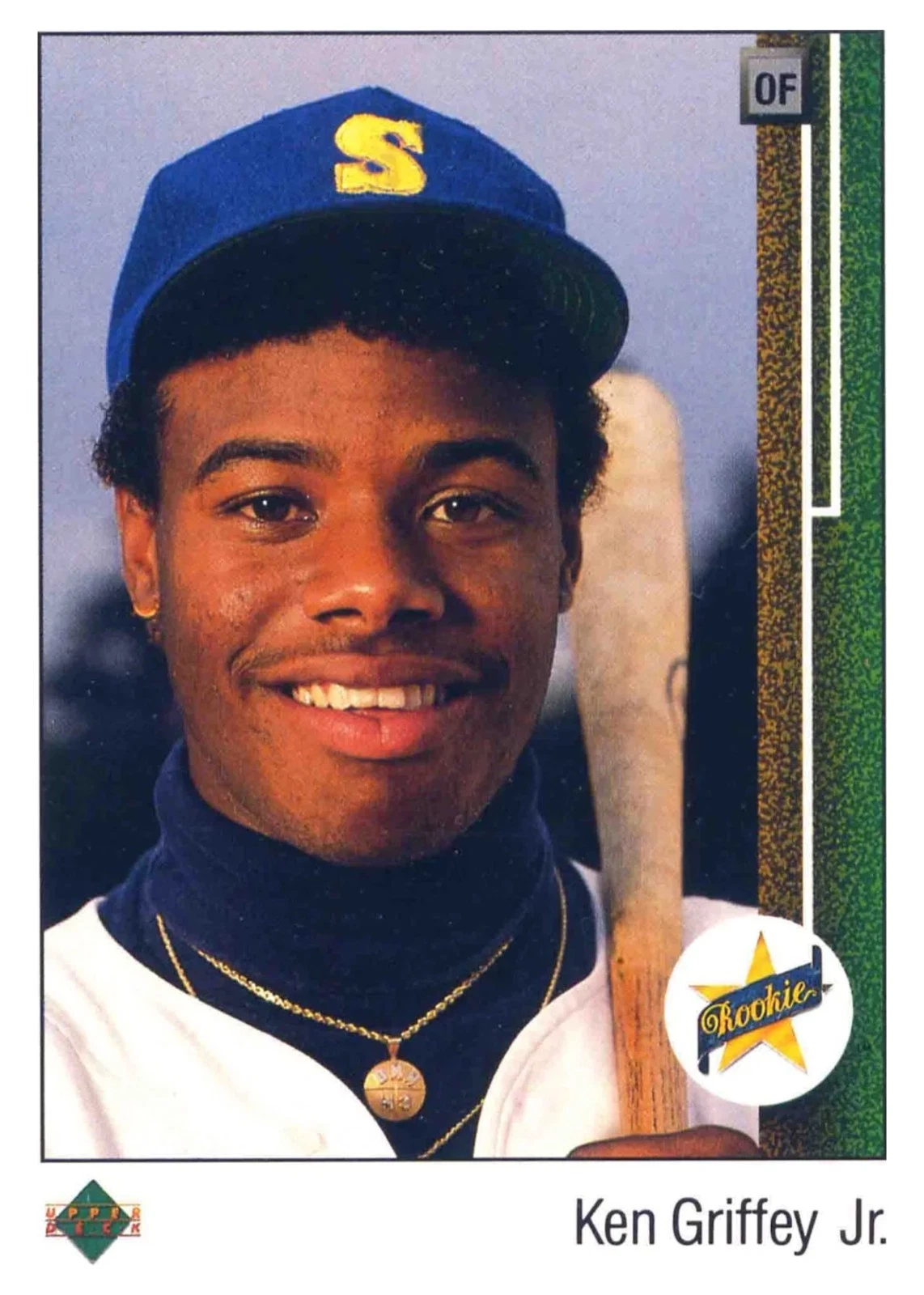
Upper Deck arrived with premium paper stock, tamper-evident foil packs, and an anti-counterfeit hologram on the back of every card. The pack cost $1.00 when everyone else charged $0.50.
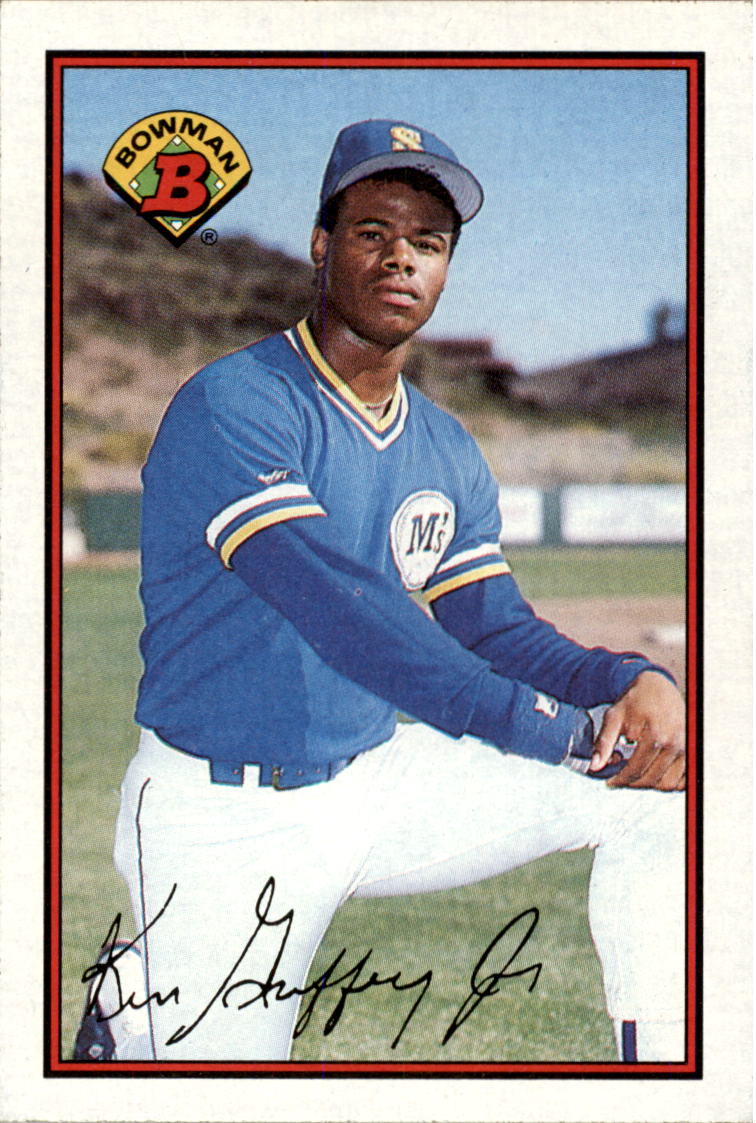
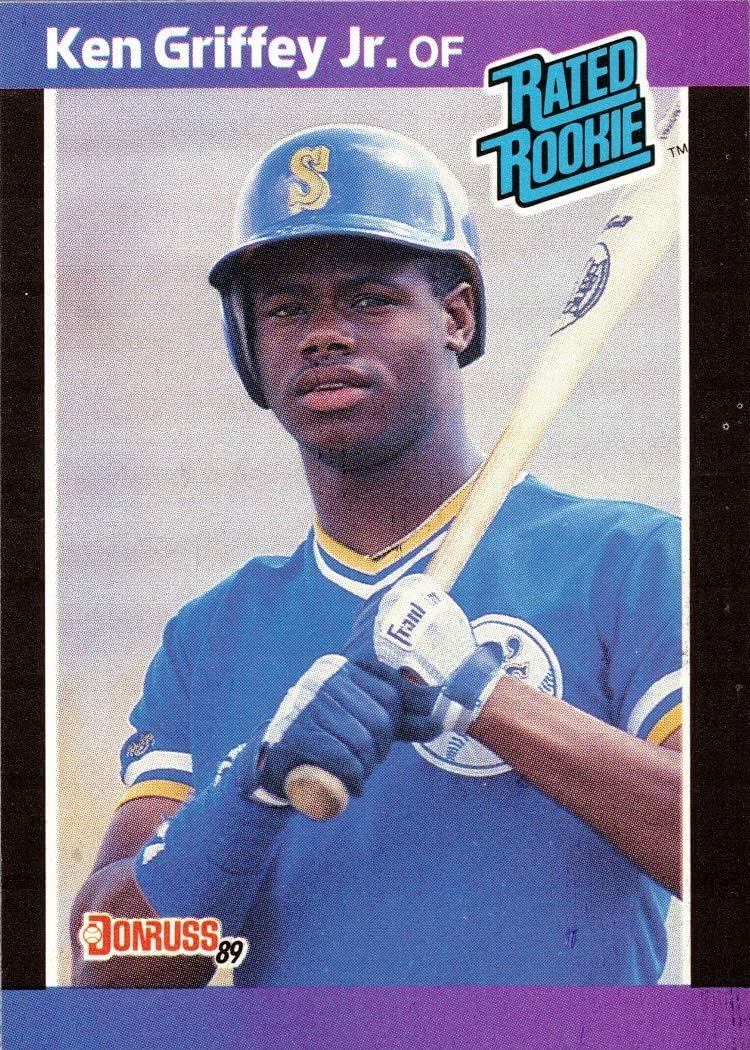
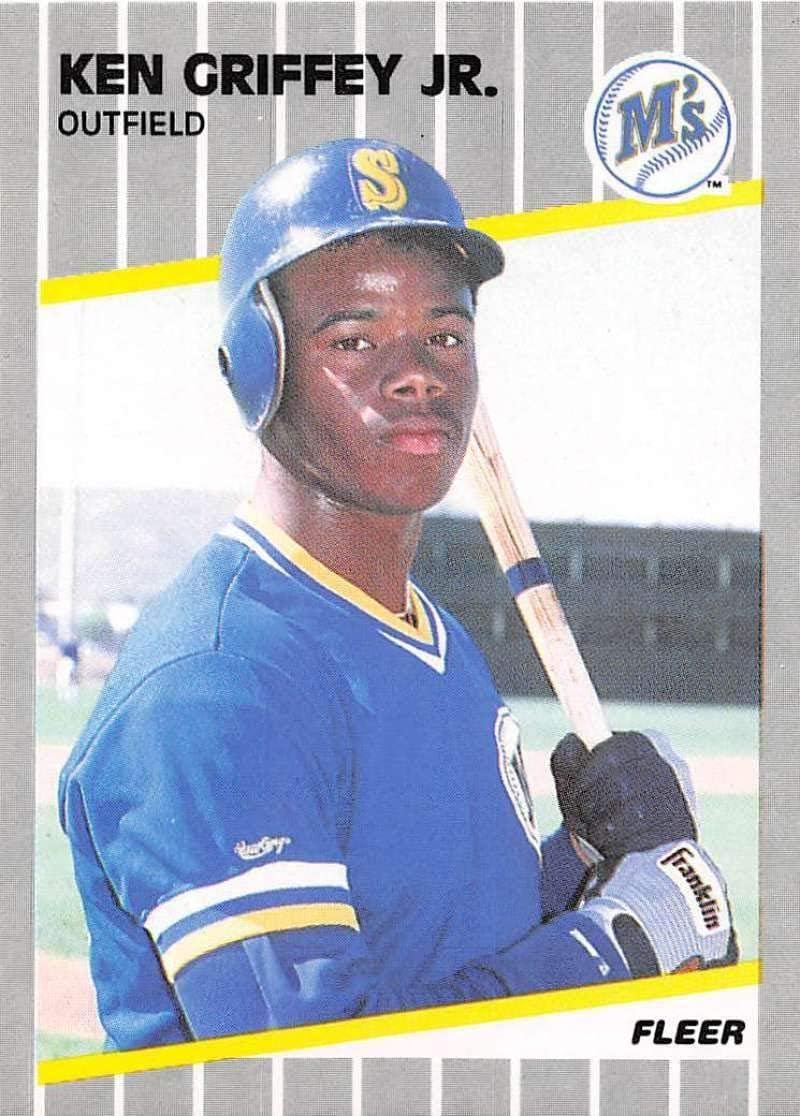
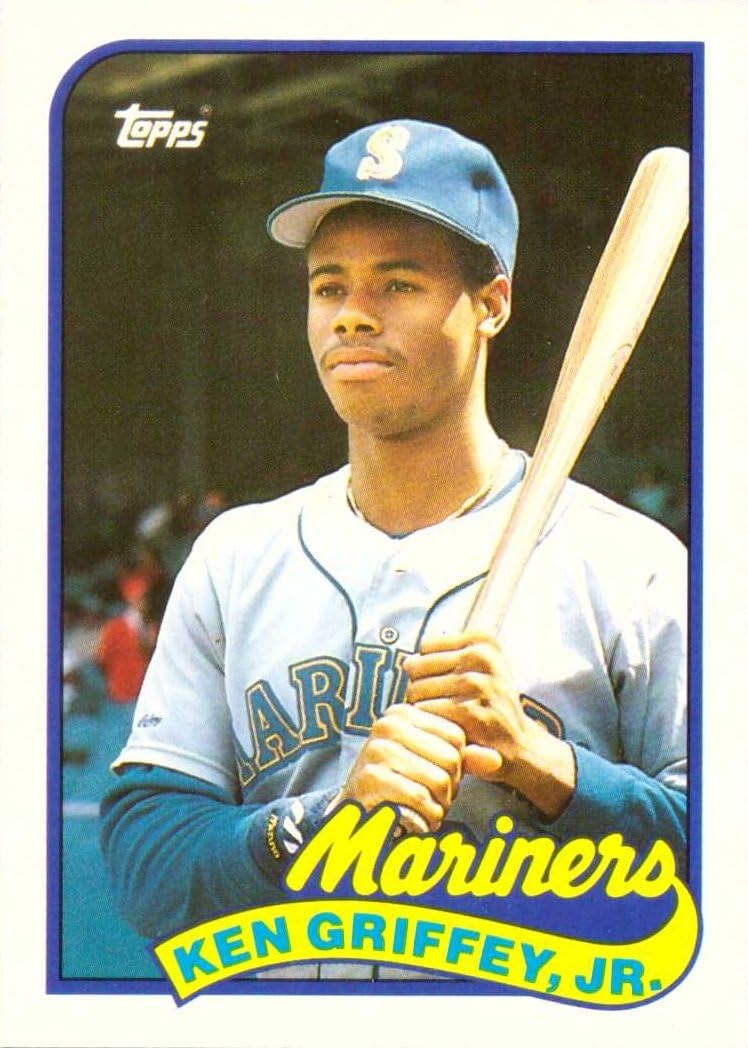
Card number 1 in the set was Ken Griffey Jr., a 19-year-old who had not yet played a Major League game. It became the rookie card the whole era is measured against.
Peak production
An estimated 81 billion baseball cards were produced in 1990. That is roughly 325 cards for every man, woman, and child in the United States.
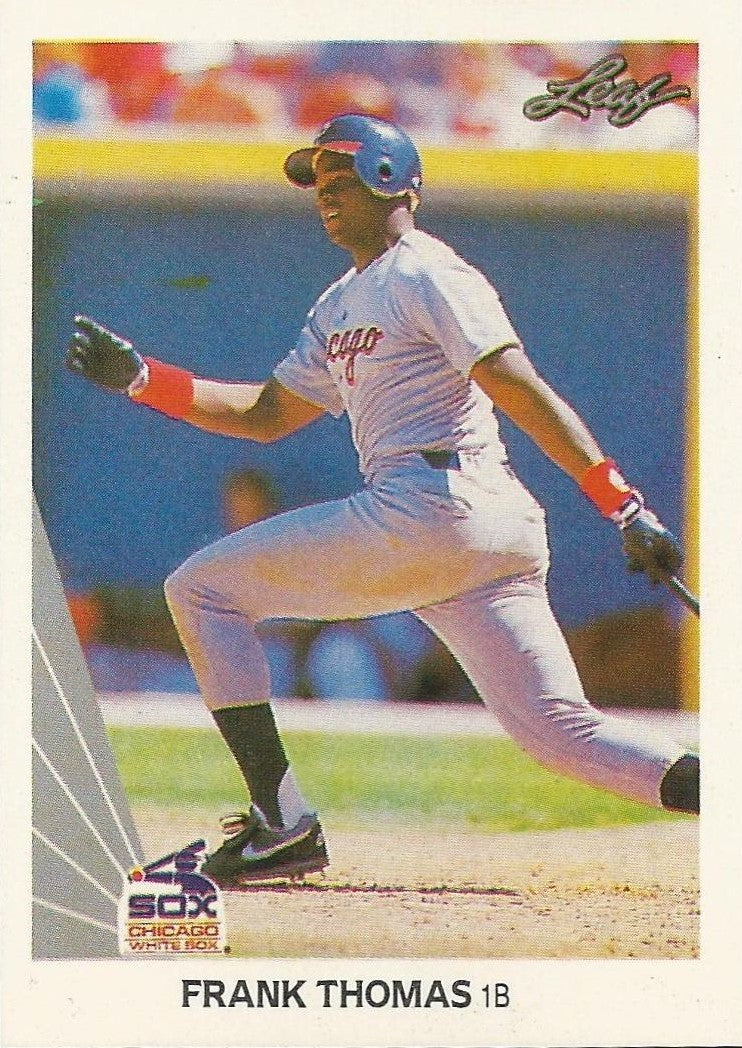
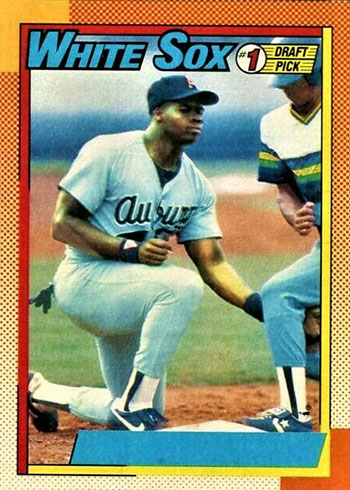
More cards were printed that year than there were people on earth who could plausibly want them. The 1990 Topps Frank Thomas No Name on Front error carries value only because the printer forgot the name plate. Out of a mountain of identical cardboard, scarcity meant something only when a card was a mistake.
The climb to the flood
Estimated cards produced each year, in billions. No manufacturer ever disclosed its print runs, so these figures are estimates. By 1990 annual output had grown roughly 30 times over 1981, and counting every product across all sports the total reached an estimated 81 billion.
The flood
You could buy cards at 7-Eleven. At Kmart. At the gas station. Your dentist kept a box in the waiting room and handed them out like lollipops.
Scarcity was already dead. Nobody in the hobby had noticed yet, because the price guides kept printing numbers that the shelves behind every register quietly contradicted.
The bottom falls out
Card shops started closing. Price guide values dropped, then dropped again, and the dealers who had bought cases as an investment could not find a buyer at any number.
The $3,000 card became a $30 card. The $30 card became worthless. Billions of them sat untouched in shoeboxes, attics, and rented storage units, exactly as many as had been printed and no fewer.
The end of the wax pack
The industry pivoted to the one thing it had spent a decade destroying: scarcity. SP, Finest, and the first Topps refractors introduced serial numbers, short prints, and premium products aimed at a smaller, older buyer.
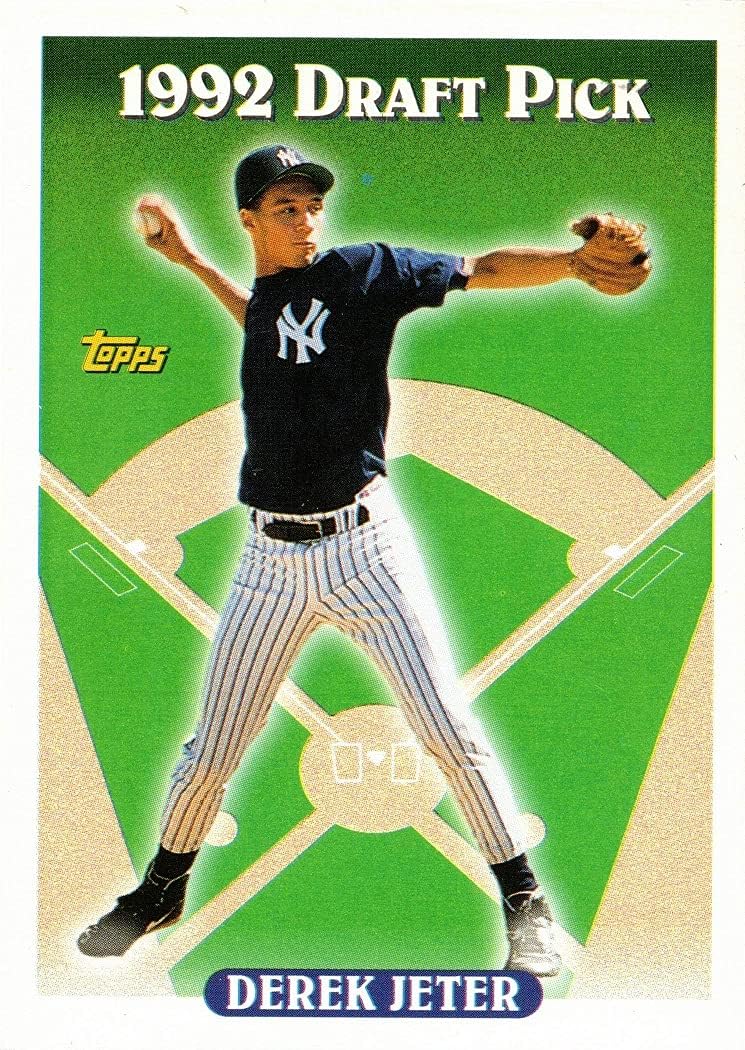
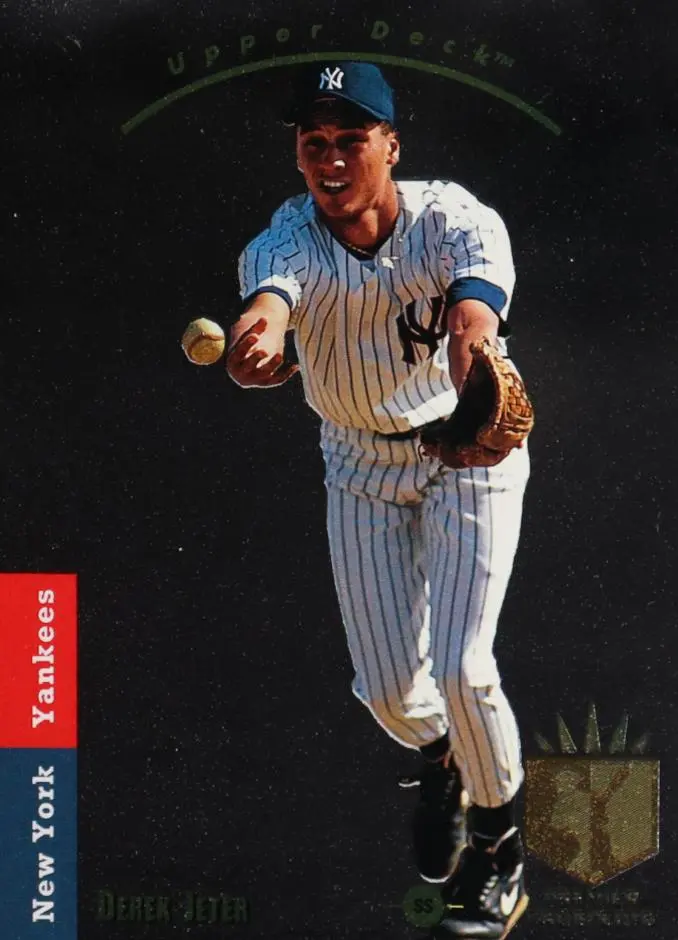
The 1993 SP set hid a Derek Jeter rookie behind a foil-card short print, the shape of every set that followed. Mass-market wax, the kind that had buried the hobby in cardboard, was finished.
Out of an estimated 81 billion cards, a handful still matter
The overproduction of the 1984 to 1993 era made almost all of its output worthless and a very short list of it unforgettable. 50 of those cards are worth the shoeboxes they survived in.