What a Pack Cost
A trading card pack was $0.35 at the drugstore in 1985. Nine years later, the top of the same manufacturer's product line was ten times that. Pack MSRP across the era, with sealed pack photos at each pricing turning point and inflation-adjusted numbers for context.
The Quarter-a-Pack Era
Wax pack pricing as commodity, uniform across manufacturers
Topps, Fleer, Donruss, and Score all sold their base wax packs at drugstore retail for between $0.35 and $0.50 through the whole first half of the era. Prices moved a nickel a year, tracking print cost and paper inflation. Nobody was competing on price at retail because there was no premium tier to compete against yet. A pack was a pack. Cello and rack packs cost more per pack at retail (roughly $1 for a cello, $2 for a rack of three cello packs mounted on a cardboard hanger), but that reflected card count, not brand differentiation. Every kid in America bought base wax at more or less the same price at more or less the same drugstore chain.


Upper Deck Breaks the Ceiling
First pack that was nearly twice the going rate
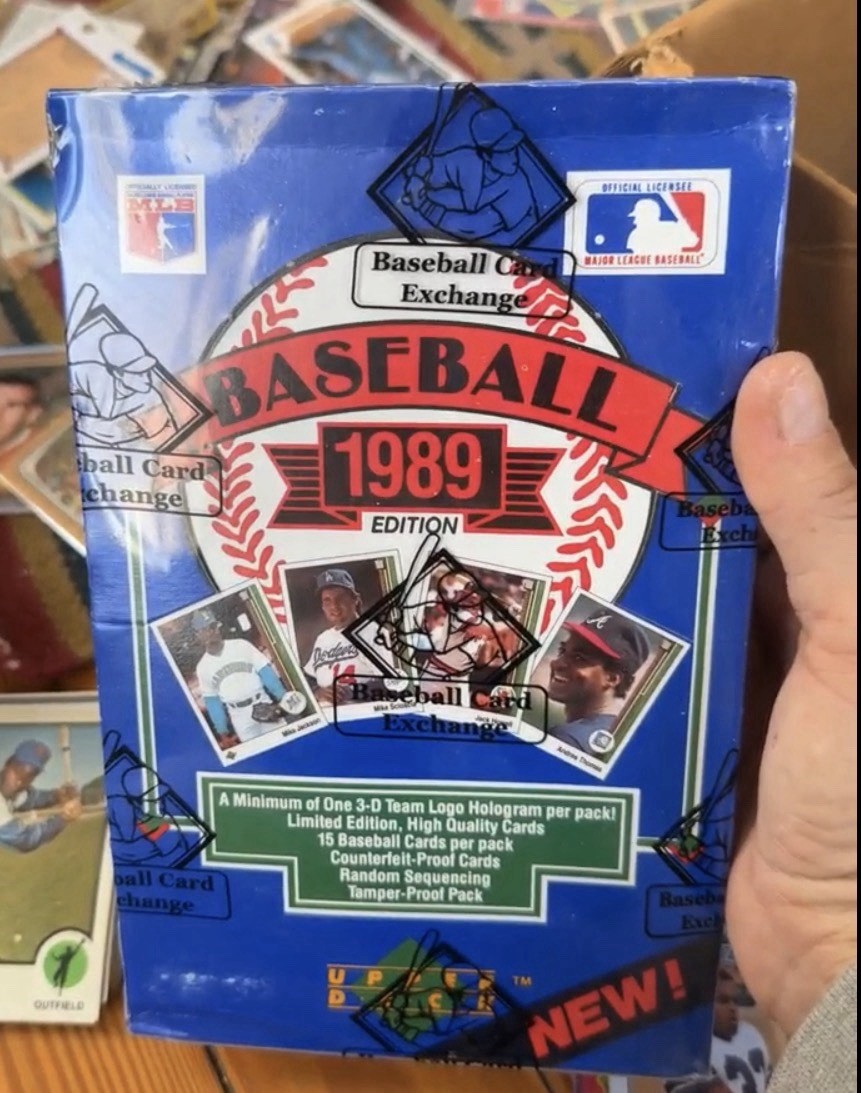
In March 1989 Upper Deck launched at $0.99 a pack. Topps that year was still at $0.45 to $0.50. Nobody in the industry believed collectors would pay twice as much for cardboard until Upper Deck put its rationale on the pack itself: full-color photography on both sides, a hologram on the back of every base card, foil packaging, and a Griffey rookie at card #1. Nine months later the pricing had stuck, Upper Deck was profitable at the higher unit cost, and every other major manufacturer was in R&D on a premium tier to charge more for. The 1989 Upper Deck pack is where the modern multi-tier pack pricing structure begins.
The Premium Tier Lands
Every manufacturer ships something above the base pack
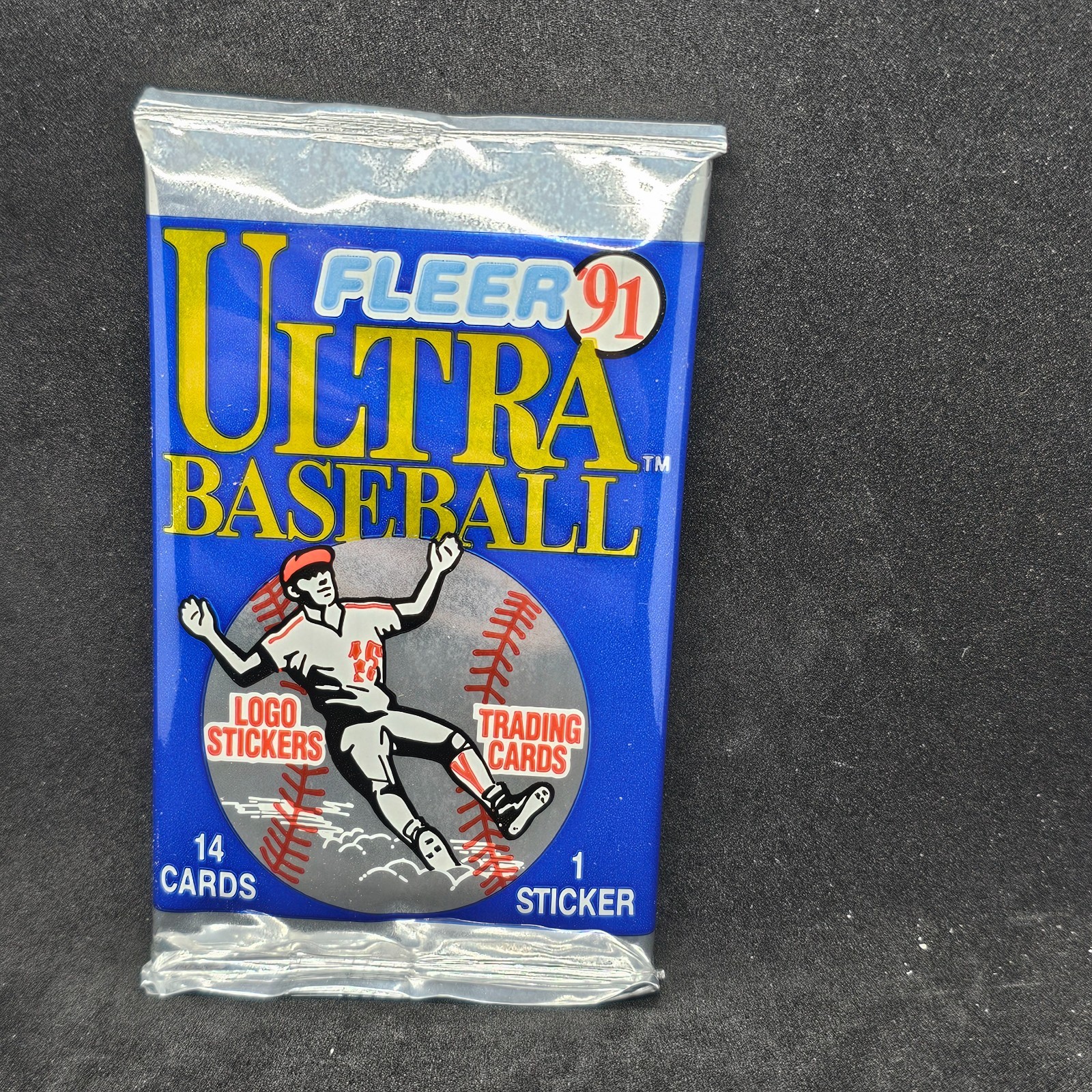
By 1991, every major manufacturer had shipped at least one premium product priced above the base line. Fleer Ultra at $1.00, foil pack and foil-front cards. Donruss Studio at $0.99, all portrait photography. Topps Stadium Club at $1.99, Kodak-photograph card fronts and no team logos on the fronts by design. Score Rookie & Traded at $1.00. Bowman at $1.00 for its 1989-relaunch, moving to $2.00 for premium series. In twelve months, the industry invented a multi-tier brand strategy: base at $0.50, mid-premium at $1.00, top-premium at $2.00. Every collector now made a pricing decision at the shelf, not just a brand decision. That new decision changed which cards got bought.

The Chase-Pack Era
The pack is the whole product, cards are the payoff
1993 Upper Deck SP shipped at $2.99 a pack, roughly six times what a Topps wax pack still cost the same season. That summer, Topps Finest shipped at $4.99 a pack, roughly ten times the same Topps base. Both products were engineered from packaging outward: the pack itself was the whole retail product, the twelve cards inside SP or the six cards inside Finest were the payoff for opening it. A collector in 1993 could walk into a hobby shop and buy a Topps base pack at $0.50 or a Finest pack at almost $5 in the same visit. Same manufacturer, same shelf, ten times the price difference. The multi-tier strategy that had emerged from 1989 to 1992 had become an order-of-magnitude spread inside twelve months.


In Today's Dollars
What that era's pricing would cost now, and what modern packs actually cost
Inflation-adjusted to 2026 dollars, a 1985 Topps wax pack at $0.35 was about $1.05. A 1989 Upper Deck pack at $0.99 was about $2.45. A 1993 Topps Finest pack at $4.99 was about $10.60. Those numbers roughly match what a middle-tier modern pack (retail Bowman, Topps Chrome retail) costs today. But the top of the modern market has moved several multiples above where junk-wax era pricing sat, even after inflation. A single sealed 2025 Bowman Chrome hobby pack retails for around $135, or roughly what a full 1993 wax box of Topps cost at retail. A 2025 Panini National Treasures Baseball hobby box retails for roughly $10,000. The chase pack that Finest invented at $5 in 1993 is now, in the same manufacturer's product line at the same hobby-shop channel, three orders of magnitude higher. The industry did not stop where the era ended.
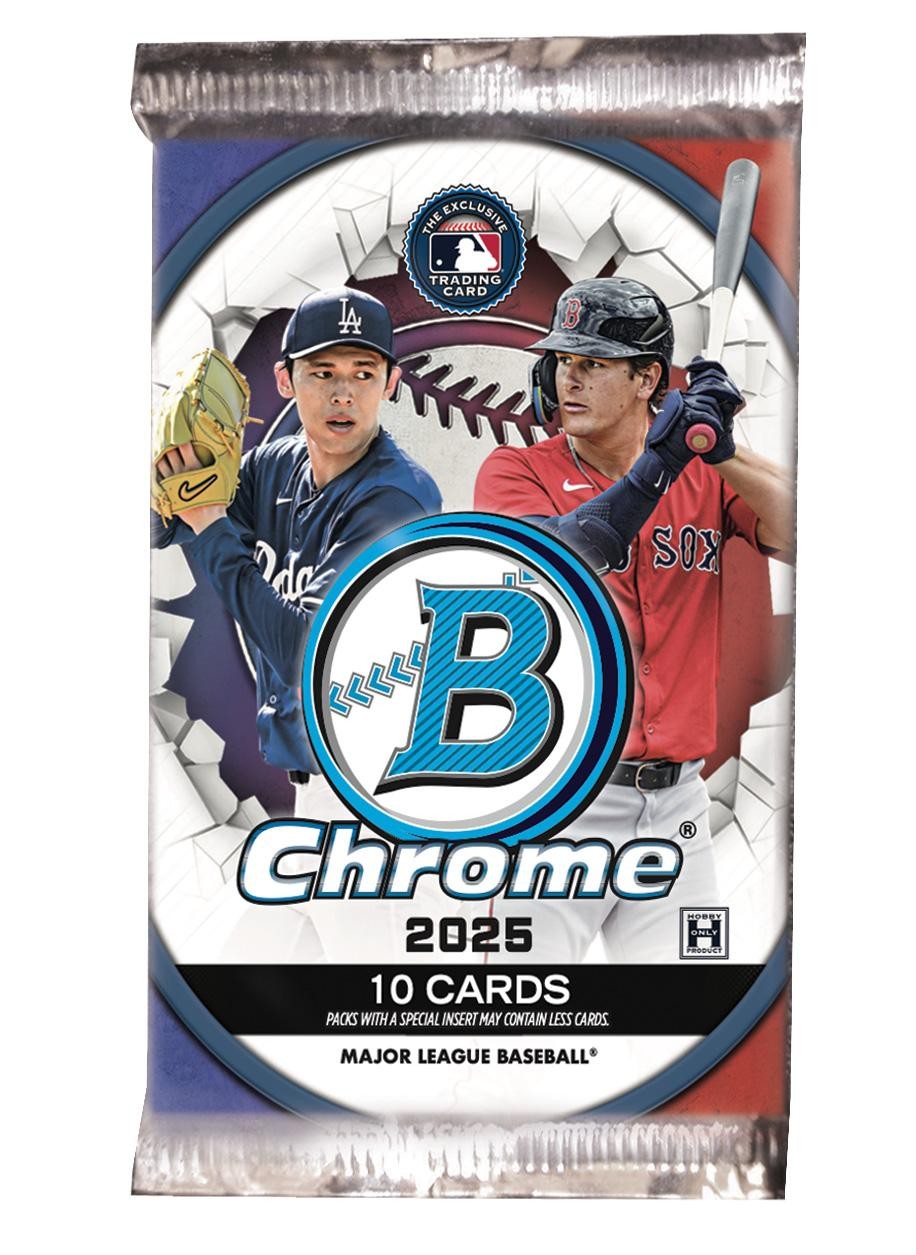
A pack was $0.35 in 1985. A single hobby pack of the same manufacturer's top product line today runs $135. The gap between those two prices is roughly forty years and every incentive the trading-card industry followed after 1989.
- Retail pricing figures for 1984-1994 packs drawn from period Beckett Monthly, Krause's Sports Collectors Digest, and contemporary hobby-shop archives. Where pricing varied by channel (drugstore vs. hobby shop vs. mass retail), the drugstore MSRP is used as the reference.
- Inflation adjustments use CPI-U from the US Bureau of Labor Statistics, base year 2026.
- Modern hobby-pack retail figures reflect Dave and Adam's Card World and Steel City Collectibles pricing as of July 2026.